
Journal
Peptide Supplements 101: Benefits, Types & How They Work

Peptide Supplements 101: Benefits, Types & How They Work
Key takeaways
- Peptides are short chains of amino acids that act as signaling molecules, telling cells to build tissue, repair, or release hormones.
- Collagen peptides and creatine peptides are legal dietary supplements with the strongest evidence for connective tissue, strength, and recovery support.
- Research peptides such as BPC-157 are not FDA-approved and are not legal dietary ingredients, so avoid products that list them.
- Choose peptide supplements with third-party testing, a batch certificate of analysis, and clear source and purity disclosure.
Peptide supplements are products that deliver short chains of amino acids, the same molecules your body already uses to signal cells to build tissue, repair damage, and release hormones. The legal, well-studied options are collagen peptides and creatine peptides, while injectable “research peptides” belong in a very different and much riskier category.
This guide explains what peptides actually do in the body, which types matter for performance and recovery, what the science supports, and how to read a label so you buy something worth taking.
Key Takeaways
- Peptides are short amino acid chains that act as cellular messengers for repair, growth, and hormone signaling.
- Collagen and creatine peptides are legal supplements with real evidence behind them.
- Research peptides like BPC-157 are unapproved drugs, not dietary ingredients.
- Quality comes down to third-party testing, a certificate of analysis, and honest sourcing.
What Are Peptides and How Do They Work in the Body?
Peptides are chains of amino acids, usually somewhere between 2 and 50 of them, linked by peptide bonds. Your body makes them constantly. Insulin is a peptide. So are many of the hormones that manage growth, metabolism, and appetite. Because these molecules are smaller than full proteins, the digestive system tends to absorb them more readily.
The key idea is signaling. A peptide is a message. When it reaches a cell, it can switch on repair, prompt collagen production, or trigger a hormone release. That messenger role is why peptides draw so much interest from people chasing better recovery and body composition.
Supplement peptides work with that same biology from the outside. Collagen peptides, for example, supply the specific building blocks and signals your body uses to maintain skin, tendons, and joints. The goal is to support processes you already run, not to override them.

Which Peptide Categories Matter for Performance and Recovery?
The peptide world splits cleanly into two groups: legal dietary supplements you can buy and take by mouth, and research or injectable peptides that are not approved for supplement use. Confusing the two is the most common and most dangerous mistake buyers make.
Here are the main legal categories:
- Collagen peptides. Hydrolyzed collagen (types I, II, and III) is the most studied group. People use it for skin, joints, tendons, and connective tissue. Hydrolyzed forms absorb better than plain gelatin.
- Creatine peptides. These pair creatine with short peptide bonds, and people take them for muscle energy and strength alongside standard creatine.
- Bioactive milk and dairy peptides. Casein-derived peptides are sometimes used for relaxation and sleep support.
Then there is the group to steer clear of: research peptides such as BPC-157 and various growth-hormone-releasing peptides. These are typically injected and are frequently sold with “research chemical” or “not for human consumption” labeling. That labeling is a warning sign, not a loophole. If you want a plain-language walkthrough before purchasing, our guide on what to know before you buy peptide supplements breaks down the categories in more detail.

What Does the Science Say About Lean Muscle and Wellness?
Collagen peptides carry the strongest evidence base among legal peptide supplements. Systematic reviews of resistance-training studies have linked daily collagen peptide use to improvements in connective tissue and body composition, with benefits for tendons, muscle architecture, and recovery after hard training. The effects tend to be modest rather than dramatic, and they show up most clearly when supplementation is paired with consistent strength work.
The evidence is not unanimous. Some recent reviews report little meaningful change in short-term performance from collagen peptides, so the honest summary is that results are real but measured. Think of these supplements as support for the training you already do, not a shortcut around it.
Creatine, in peptide or standard form, has decades of research behind it for strength and power. For general wellness, the appeal of peptides is their targeted signaling: supplying specific building blocks for tissue your body is trying to maintain or rebuild.
One point worth stating plainly. The eye-popping muscle and fat-loss claims you see attached to injectable research peptides come mostly from animal studies, not controlled human trials. According to the Department of Defense Operation Supplement Safety program, there is “little to no reliable scientific evidence to support the safety or effectiveness of BPC-157 in humans” (Operation Supplement Safety, 2024). Marketing that promises rapid transformation is running ahead of the evidence.

How Do You Choose High-Quality Peptide Supplements?
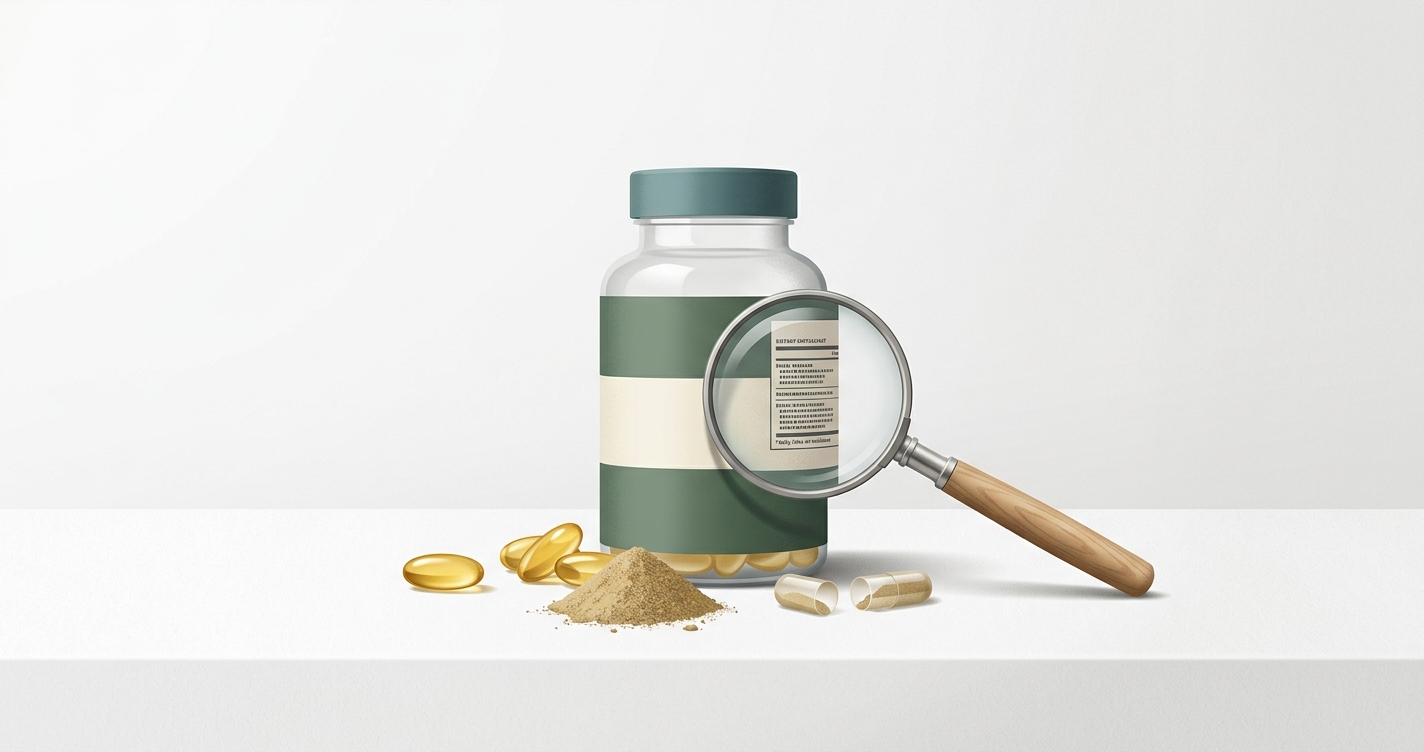
Quality is mostly about verification. A good peptide supplement proves what is in the bottle, and a poor one asks you to take its word. Because the supplement industry is lightly regulated at the manufacturing stage, third-party testing is your best protection.
Use this checklist when comparing products:
- Third-party certification. Look for NSF Certified for Sport, Informed Sport, or USP verification on the label.
- Certificate of analysis. Reputable brands publish a batch-specific certificate of analysis that confirms purity and screens for contaminants.
- Stated purity. Quality collagen peptides disclose hydrolyzation and a high purity level rather than vague “proprietary blend” language.
- Transparent sourcing. Grass-fed or pasture-raised collagen sources and clear country-of-origin labeling signal a company willing to be checked.
- Sensible absorption claims. Lower molecular weight hydrolyzed collagen is easier to absorb, so brands that share that detail tend to be more forthcoming overall.
A brand’s willingness to show its testing is itself a signal. Nova Lean Wellness publishes sourcing and testing detail for its formulations for exactly this reason, so buyers can confirm quality instead of guessing. If you are shopping across multiple sellers, our walkthrough on how to buy peptides online safely covers the vendor checks that matter most.
What Should You Know About Safety, Dosing, and Labels?
Safety depends heavily on which category you are in. Legal peptide supplements have reassuring track records; unapproved research peptides do not. Getting this distinction right is the single most important safety decision you will make.
Legal collagen peptides are generally recognized as safe, and most connective tissue and recovery studies use daily doses in the range of roughly 10 to 15 grams for several weeks. Creatine peptides follow standard creatine dosing on the label. Side effects at these doses are typically mild.
The picture is different for research peptides. BPC-157 is a clear case. The Department of Defense Operation Supplement Safety program states that it “is an unapproved drug and cannot be legally prescribed or sold over the counter,” that “BPC-157 is not a dietary ingredient,” and that it “is listed in class S0: Non-Approved Substances on the World Anti-Doping Agency’s (WADA) Prohibited List” (Operation Supplement Safety, 2024). Competitive athletes risk sanctions, and everyone risks taking an untested drug of unknown purity.
When you read a label, check a few things every time:
- A complete ingredient and amino acid disclosure, not a proprietary blend hiding the dose.
- Serving size against the number of servings per container, so you know the real daily amount.
- Allergen warnings, since some peptides come from fish, egg, or milk.
- Any “research chemical” or “not for human consumption” wording, which means the product is not a supplement and should be put back.
Putting It Into Practice
Start with the simplest, best-supported choice: a third-party-tested collagen peptide taken alongside your training, at a label-appropriate dose, for at least a few weeks before you judge results. Read the certificate of analysis, confirm the sourcing, and skip anything marketed as injectable or “research grade.” If you have a medical condition or take medication, clear it with your clinician first. From there, you can browse verified, clearly labeled formulations at Nova Lean Wellness and match a product to the specific goal you are working toward.
Frequently asked questions
What are peptide supplements?
Peptide supplements deliver short chains of amino acids that act as signals in the body. Common legal forms include collagen peptides and creatine peptides, which support connective tissue, strength, and recovery.
Are peptide supplements safe?
Legal peptides like collagen and creatine peptides have strong safety records at label doses. Injectable research peptides such as BPC-157 are unapproved drugs and should be avoided as supplements.
Is BPC-157 a legal peptide supplement?
No. According to the Department of Defense Operation Supplement Safety program, BPC-157 is an unapproved drug, is not a dietary ingredient, and appears on the WADA Prohibited List.
How do I choose a high-quality peptide supplement?
Look for third-party certification such as NSF Certified for Sport or Informed Sport, a batch-specific certificate of analysis, stated purity, and transparent sourcing on the label.
How much collagen peptide should I take?
Most studies on connective tissue and recovery use daily doses in the range of about 10 to 15 grams for several weeks. Follow the product label and talk to your clinician first.